Key Takeaways: Planning Your Biscayne Bay Excursion
-
Transparent Pricing Spectrum: Guided boat excursions range from $18.00 to $159.99 per person. Budget-conscious travelers can enjoy the 90-minute Miami Millionaires Sightseeing Cruise for just $18.00, while premier motorized adventures like the Biscayne Bay Guided Jet Ski Adventure cost $159.99.
-
Strategic Departure Point: The vast majority of sightseeing boat cruises depart from Bayside Marketplace Marina in Downtown Miami (Pier 5, 401 Biscayne Blvd). Traffic into downtown and parking garages can create delays; arrive at least 30 minutes early to guarantee boarding.
-
Biscayne Bay vs. Biscayne National Park: Central Biscayne Bay refers to the urban waterfront basin where sightseeing cruises showcase celebrity mansions along Star Island and the downtown skyline. In contrast, Biscayne National Park lies further south, is 95% underwater, and is reached through the Dante Fascell Visitor Center in Homestead for offshore reef snorkeling and key exploration.
-
Risk-Free Flexibility: All vetted cruises offer free 24-hour cancellation with full refunds. Book online ahead of peak winter and weekend sailings to secure preferred departure slots without financial risk if weather plans shift.
Compare Top Biscayne Bay Tours (2026)
Compare pricing, departure docks, inclusions, and cancellation terms across the top-rated cruises.
| Feature / Detail |
Best Value
Miami Millionaires CruiseProvider: Viator |
Sunset & Lights
Skyline Sunset CruiseProvider: Viator |
Adrenaline
Jet Ski AdventureProvider: Viator |
⭐ #1 Bestseller 2026
Rich & Famous Boat TourProvider: Viator |
|---|---|---|---|---|
| Price (USD) |
$18.00
~€16.50 / person
|
$30.00
~€27.60 / person
|
$159.99
~€147.20 / ski
|
$30.00
Lowest Price Guarantee
|
| Duration | 90 Minutes | 90 Minutes | 60 Minutes | 90 Minutes |
| Departure Point | Bayside Marketplace Marina | Bayside Marketplace Pier 5 | Biscayne Bay Marina / North Bay | Bayside Marketplace Marina |
| Highlights |
|
|
|
|
| Rating & Reviews | ||||
| Cancellation | ✓ Free up to 24h | ✓ Free up to 24h | ✓ Free up to 24h | ✓ Free up to 24h |
| Book Official | Book $18 Cruise → | Book Sunset ($30) → | Book Jet Ski ($159.99) → | Book #1 Tour ($30) → |
Miami's Marine Estuary & Coastal Sanctuaries
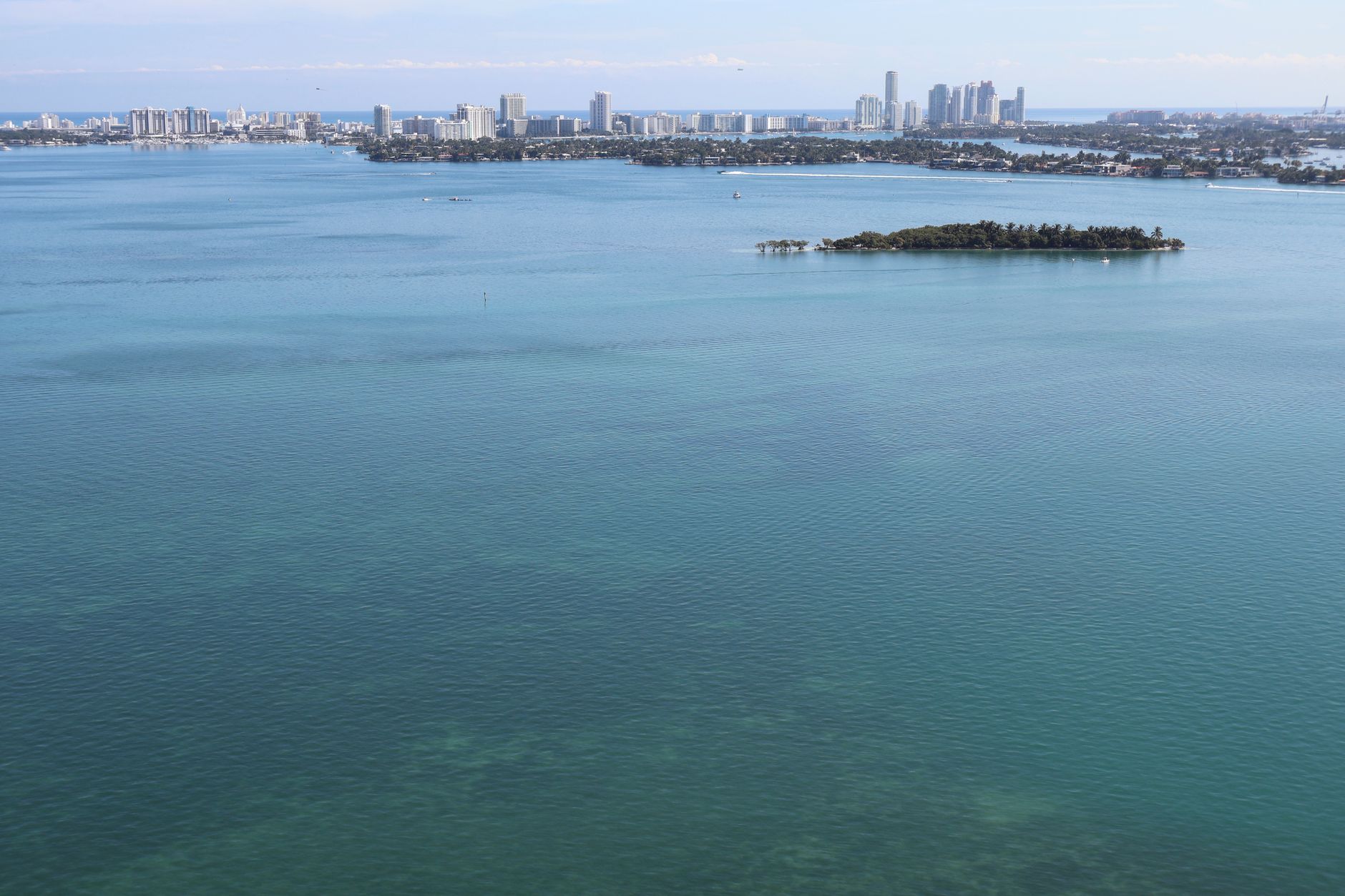
Biscayne Bay is a vast marine estuary covering 428 square miles of subtropical waters. The bay is a shallow basin bounded by the urban core of Miami on the west and by protective barrier islands on the east. Miami is bordered by a series of barrier islands that shield the bay from the open Atlantic Ocean. The waters are remarkably shallow, averaging only 6 to 10 feet in depth. This sensitive coastal environment contains three primary public park gateways: Biscayne National Park, Bill Baggs Cape Florida State Park, and Crandon Park.
Accessing the bay is simple, but navigating the different park jurisdictions requires planning. General land access to the national park is free. The adjacent state and county parks on Key Biscayne require entrance and parking fees. The national park itself is almost entirely water, covering offshore islands, seagrass meadows, and coral reefs. Visitors need boats or guided cruises to experience the true wilderness of the bay.
The historic waters house Stiltsville, a cluster of wooden stilt houses built in the shallow mudflats during the early twentieth century. Stiltsville has stood through major hurricanes, and is managed as a historical resource. Further south, sandbars and keys form natural marine habitats for sea turtles, stingrays, and manatees. The bay is a protected ecosystem, and strict boating and fishing regulations keep the waters healthy.
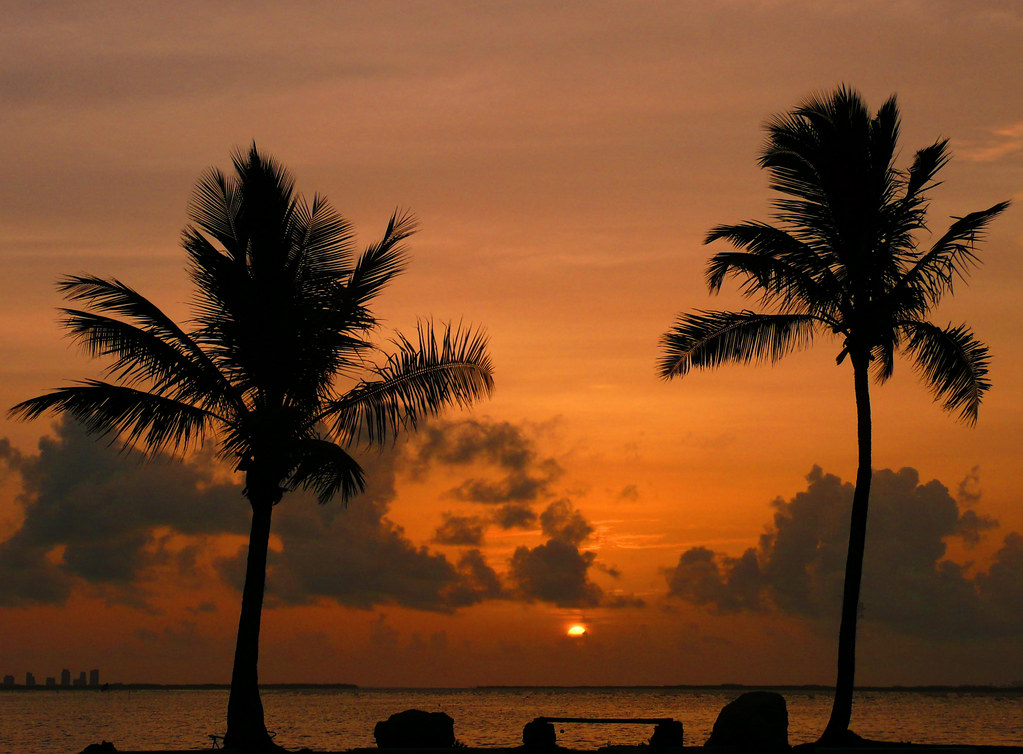
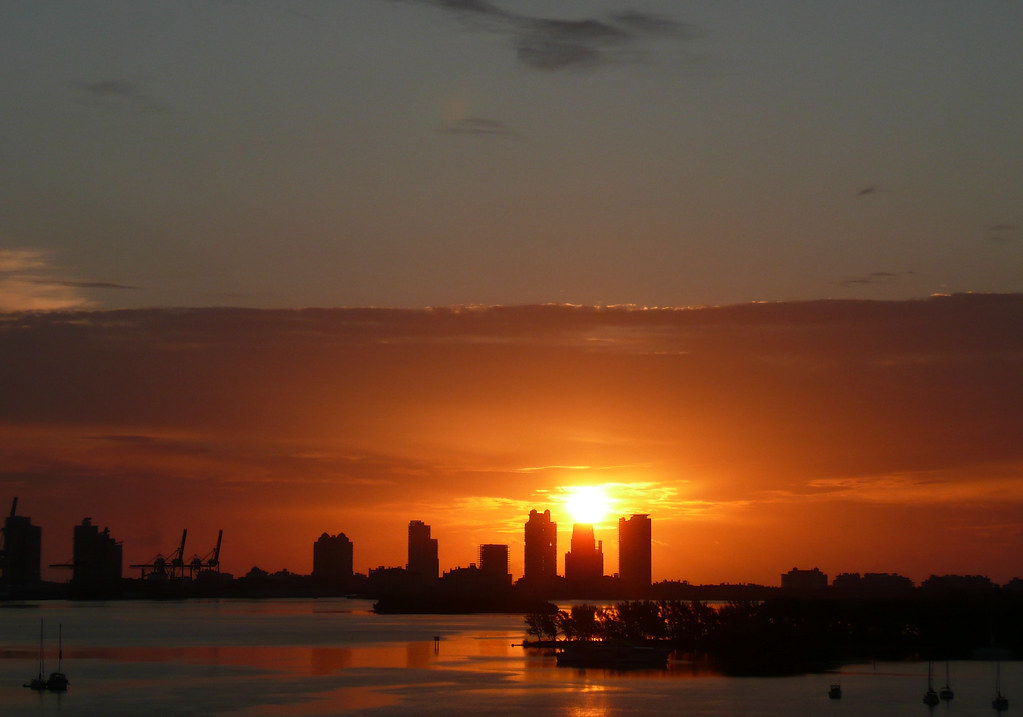
Visual Postcards from the Estuary
Images capturing the diverse environments of the bay, from sandy beaches to historic lighthouses and mangrove wetlands.
Current Weather Conditions
Live climate stats for Biscayne Bay. Summer months bring warm waters and brief afternoon showers, while winter offers crisp, sunny skies.